新書推薦:

《
中国精怪图鉴 阿亮著 精怪是古人对抗未知的隐喻 读它们的故事学会与内心的恐惧共处 一本书带你邂逅千年
》
售價:HK$
97.9

《
大唐之美(梦回唐朝的导览手册,考古、艺术、历史、文学融为一体,全景视角,640幅全彩图片,带你踏上唐
》
售價:HK$
173.8

《
零基础刺绣一本通
》
售價:HK$
64.9

《
牙体解剖生理学
》
售價:HK$
42.9

《
新一代玫瑰月季
》
售價:HK$
85.8

《
红颜来处是长安:大唐的盛世和她们的命运
》
售價:HK$
75.9

《
没有内容的人
》
售價:HK$
63.8

《
传奇中国:二十四节气 随书附赠四季民俗小画4幅
》
售價:HK$
217.8
|
| 內容簡介: |
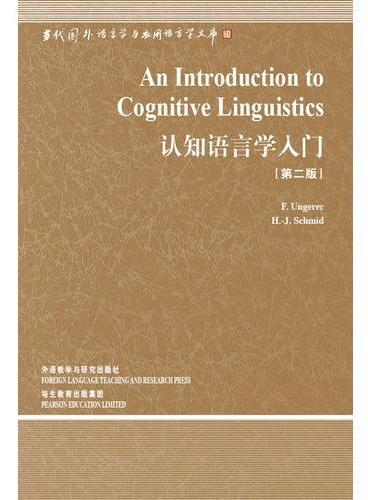
《认知语言学入门》第一版于1996年问世,成为当时国内外第一本认知语言学教科书。在书中,两位作者细致入微地阐释了认知语言学的核心概念,同时,又探讨了在诸如象似性、词汇变化、语法化和语言教学等研究中引入认知概念的种种益处。
來源:香港大書城megBookStore,http://www.megbook.com.hk
此次第二版增加了构式语法理论、概念合成理论、关联理论等内容,并对原来的内容进行了修订,从而更全面地反映认知语言学研究近年的最新成果,更好地适应不同读者的需求,是语言学界不可多得的一本内容广泛的认知语言学教科书。
|
| 目錄:
|
Publisher’s acknowledgements
Preface to the second edition
Typographical conventions
Introduction
1 Prototypes and categories
1.1 Colours,squares,birds and cups:early empirical research into
lexical categories
1.2 The internal structure of
categories:prototypes,attributes,family resemblances and
gestalt
1.3 Context·dependence and cultural models
2 Levels of categorization
2.1 Basic level categories of organisms and concrete objects
2.2 Superordinate and subordinate categories
2.3 Conceptual hierarchies
2.4 Categorization and composite word forms
2.5 Basic level categories and basic
experiences:actions,events,properties,states and locations
3 Conceptual metaphors and metonymies
3.1 Metaphors and metonymies:from figures of speech to conceptual
systems
3.2 Metaphors,metonymies and the structure of emotion
categories
3.3 Metaphors as a way of thinking:examples from science and
politics
3.4 Thinking in metonymies:potential and limitations
4 Figure and ground
4.1 Figure and ground,trajector and landmark:early research into
prepositions
4.2 Figure,ground and two metaphors:a cognitive explanation of
simple clause patterns
4.3 Other types of prominence and cognitive processing
5 Frames and cOnstructions
5.1 Frames and scripts
5.2 Event-frames and the windowing of attention
5.3 Language-specific framing and its use in narrative texts
5.4 Construction Grammar
6 Blending and relevance
6.1 Metaphor,metonymy and conceptual blending
6.2 Conceptual blending in linguistic analysis and
description
6.3 Conceptual blending in advertising texts,riddles and
iokes
6.4 Relevance:a cognitive·pragmatic phenomenon
7 Other issues in cognitive linguistics
7.1 lconicity
7.2 Lexical change and prototypicality
7.3 Cognitive aspects of grammaticalization
7.4 Effects on foreign language teaching
Conclusion
|
|

 購物車/收銀台(0) | 在線留言板
| 付款方式
| 運費計算
| 聯絡我們
| 幫助中心 |
加入書簽
購物車/收銀台(0) | 在線留言板
| 付款方式
| 運費計算
| 聯絡我們
| 幫助中心 |
加入書簽 HOME
HOME 新書上架
新書上架 暢銷書架
暢銷書架